 Seven years ago the Courtauld Institute mounted a thrilling exhibition by showing only two works by Manet. Admittedly they were both undoubted masterpieces, the Barmaid at the Folies Bergere of 1883 and The Luncheon from Munich of 1868. It demonstrated that an absorbing experience could be staged with the import of only one picture. We all know what a brilliant, enigmatic piece the Barmaid is, but the earlier scene of post-prandial insouciance was equally dazzling and also ambiguous, even mysterious, in subject. Of both pictures one asks in genuine bewilderment: ‘What is going on here?’ And the answer is up to you to make of them what you will by considering every last detail.
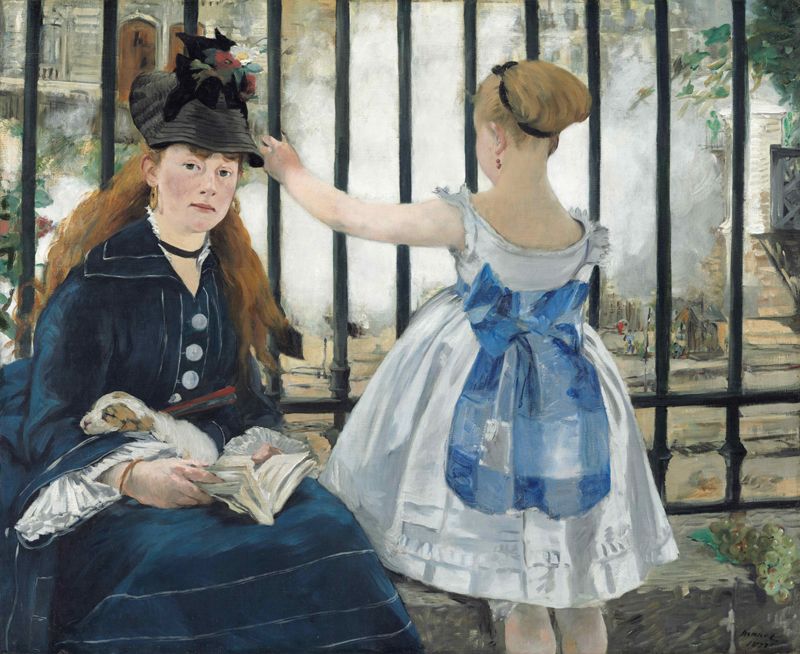
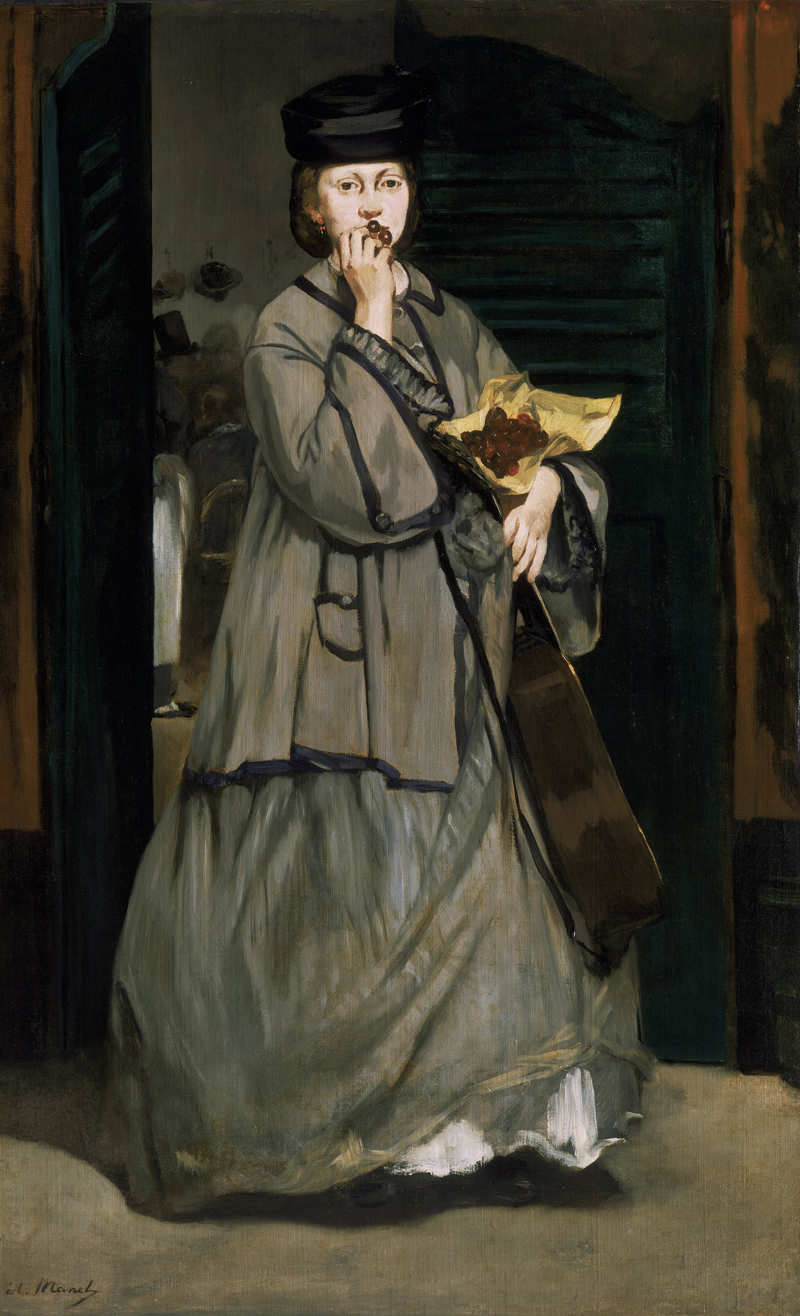
Manet’s best paintings rarely fall easily into any genre; an ulterior motive, even in what might appear to be a straightforward portrait, is never far away. For example, what is this interrupted reader in The Railway doing beside the track with a bunch of grapes on the parapet, a puppy dog, a hissing loco and an apparently bored daughter? Whatever it is, there is clearly more than meets the eye in the painter’s relationship with his favourite model Victorine Meurent, for it is she who appears in many of the better works, including The Street Singer.
The Luncheon features again in the Manet exhibition at the Royal Academy (until April 14th) and by itself is worth the £15 admission fee. The right hand vertical quarter of the painting showing an unknown man still wearing a hat and smoking a cigar beside the wreckage of lunch, itself a still life so brilliant it’s hard to recall anything anywhere comparably so fine, has got to be among the most amazing passages of painting on show in London.
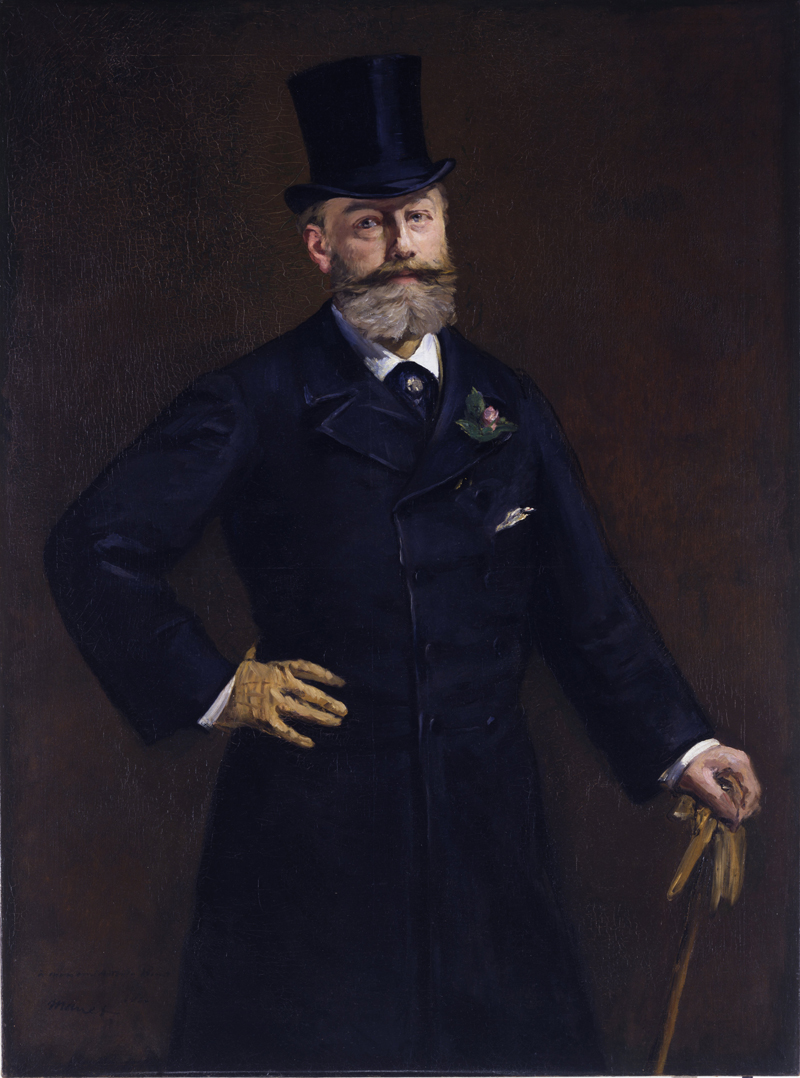
The exhibition as a collection is a mixed bag. Besides The Luncheon there are half a dozen masterpieces – the aforementioned Street Singer (from Boston), which knocks spots off anything even roughly equivalent by Whistler; The Railway (from Washington), which looks to have been disadvantageously cleaned to a jarring sheen; and four portraits depicting Zola, Astruc, Mallarmé (no larger than A4, this picture is breathtaking, and a brilliant character study) and Duret are all you really want to trouble yourself with. The rest are varying degrees of stocking filler. The poor old RA, struggling desperately on its uppers and fending off poverty, had to fill up the rooms somehow and this is what the dears could get. Most of it isn’t much to write home about but it will be perfectly sufficient to get the nuke-proof knicker brigade of Adelstrop reaching for their rail passes and lorgnettes and gagging to fork out fifteen quid.
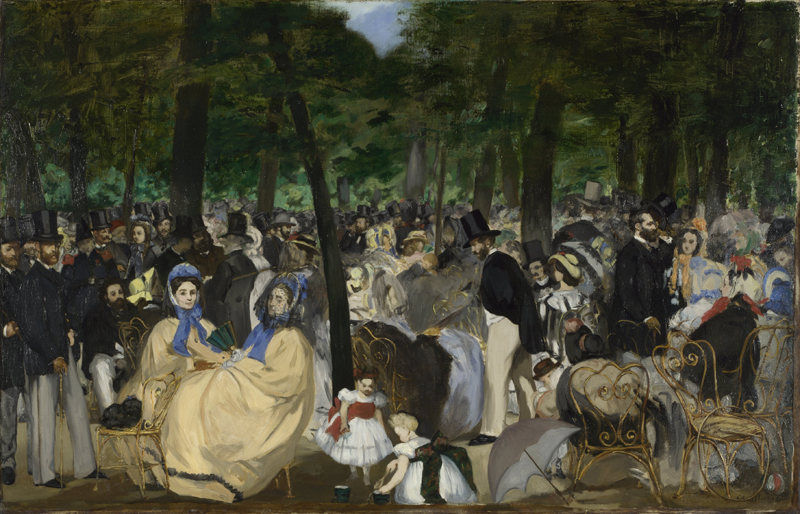
The best Manet in London, the Barmaid, is not here, though familiar items from the National Gallery are; the uniformed Tuileries consortium of stuffed shirts for some reason receiving a room to itself. An invented gathering of Manet’s friends from every sphere of progressive cultural life (and what an anal bunch they look) in the familiar setting of ornamental gardens in central Paris, this must be some sort of assertion of class or caste pride, for there’s no sense here of bohemianism or the avant-garde at play. Looking at this bunch, with their underpants full of thistles, it’s hard to think of them getting up the Establishment’s nose.
Most intriguing is the lack of finish evident in many pictures, some of which were not exhibited during Manet’s lifetime; perhaps he was fearful of the inevitable opprobrious response. As early as Degas came to the same conclusion, Manet also discovered that a painting might reach fruition well before it appeared complete in conventional terms. Thus begins here with genius the reductiveness which soon descended into absurdity.
Ever respectful of its charitable obligations, the Academy is offering a chance for a few to view the exhibition on a Sunday evening throughout the run in a less crowded gathering conducive to actually seeing the work on display. For thirty quid the ever-giving institution will even chuck in a glass of wine, doubtless from its own cave.
David Lee
The Jackdaw January 2013
http://www.royalacademy.org.uk/exhibitions/manet/