David Lee thinks loans both ways should be considered.
 We have rehearsed the pros and antis of retaining, loaning, handing back or exchanging the Elgin Marbles in the pages of the Jackdaw many times. The main arguments on both sides, few as they are, remain the same and recent reiteration of these familiar points would suggest nothing new will ever be proffered on either side. Certainly the case for the sculptures’ return will not be advanced by the Greeks enlisting a junior lawyer because she’s married to a famous actor. Any impetus given by that opportunistic stunt petered out once the press wearied of airport snaps of Mrs Clooney’s million-buck grin while offering nothing but the most fatuous of platitudes.
Greece claims the balance has recently tipped in their favour with the opening of a new museum below the Acropolis. But their chief arguments in favour of restitution remain predominantly emotional and sentimental ones which play to the home gallery.
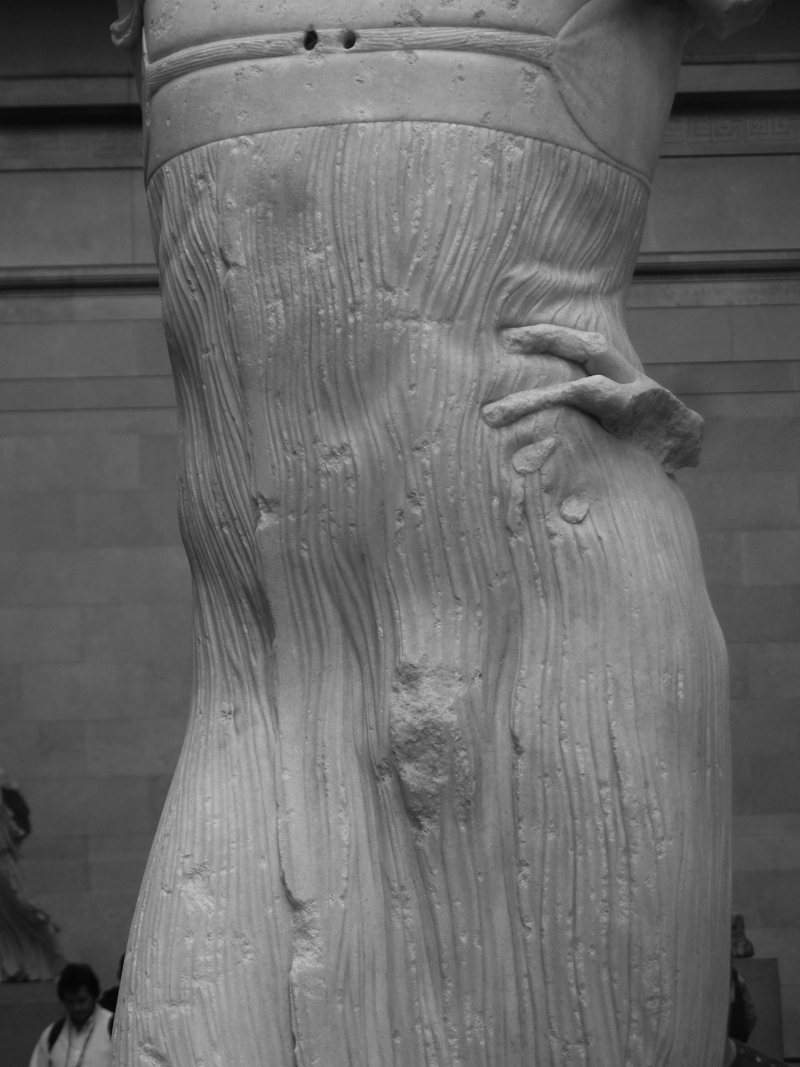
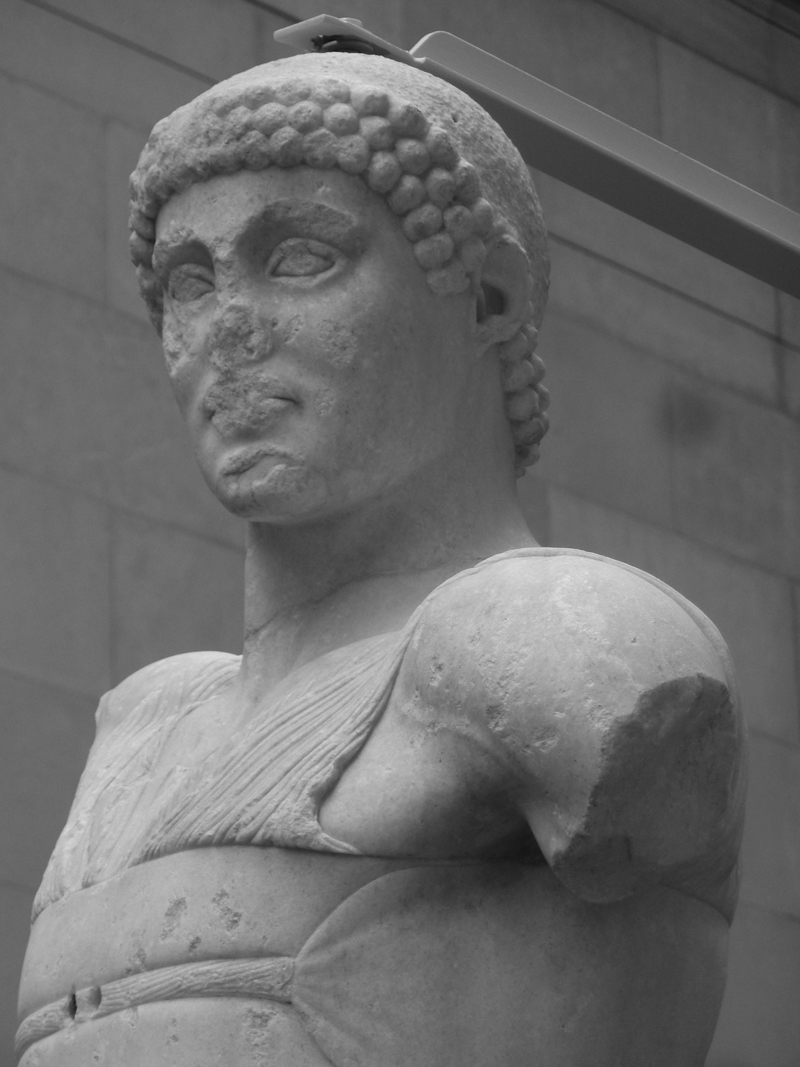
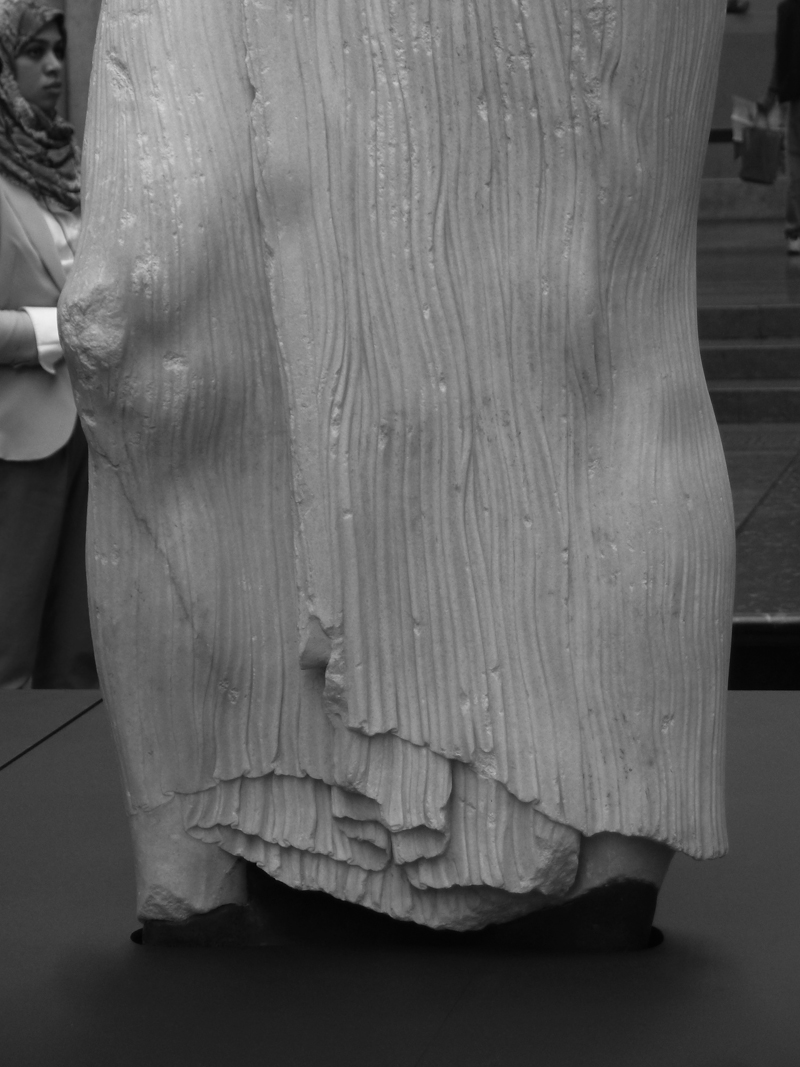
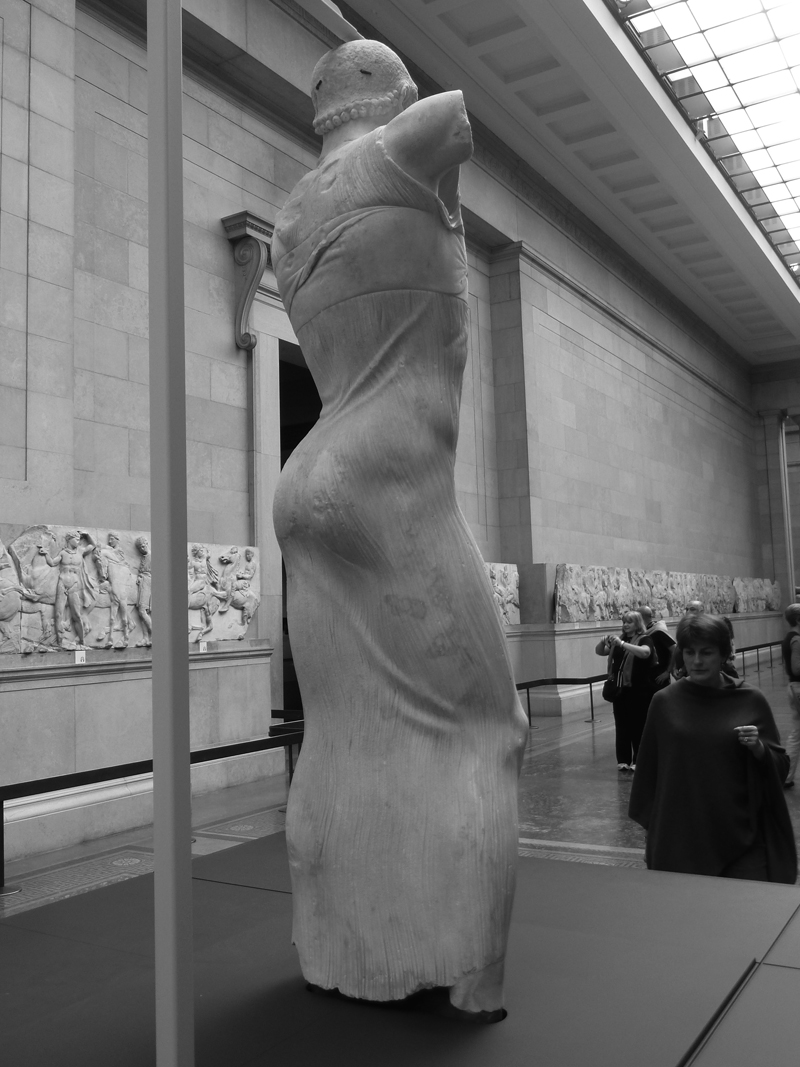
The Acropolis marbles are handsomely exhibited free of charge in the British Museum and have been well cared for, in contrast to the way in which the Greeks have demonstrably failed to protect their own allegedly cherished carvings. Far more visitors will see the works in London than would be the case in Athens where, admittedly out of season, the Acropolis Museum – £12 to enter – can muster negligible trade bulked up (as indeed it is in London) by noisy parties of demob-happy schoolchildren – in the Greeks’ case a generation deemed ripe for the most shameless brainwashing.
 The argument that these sculptures are by Greeks from a unique moment in Greek history and from which all modern Greeks are descended is so much jingoistic claptrap. Greeks claiming descendance from the Athenian Pericles is as preposterous as me citing the ancestry of King Caractacus; as if the Roman, Angle, Saxon, Viking, Pict, Celt, Visigoth, Dane and French invaders, commonwealthers, colonisers and asylum seekers had never come between us, and changed our make up beyond recognition. It’s just silly.
As someone who simply enjoys looking at classical sculpture, I recently visited Athens to see if workable alternatives about the future of the Elgin Marbles might be considered. Currently, the issue is clouded by irritating, point-scoring politicians intent on manipulating publics for their own ends. All those who love sculpture and art history should have an important say in any outcome because in the end we are the only ones who will actually take the trouble to look at them properly.
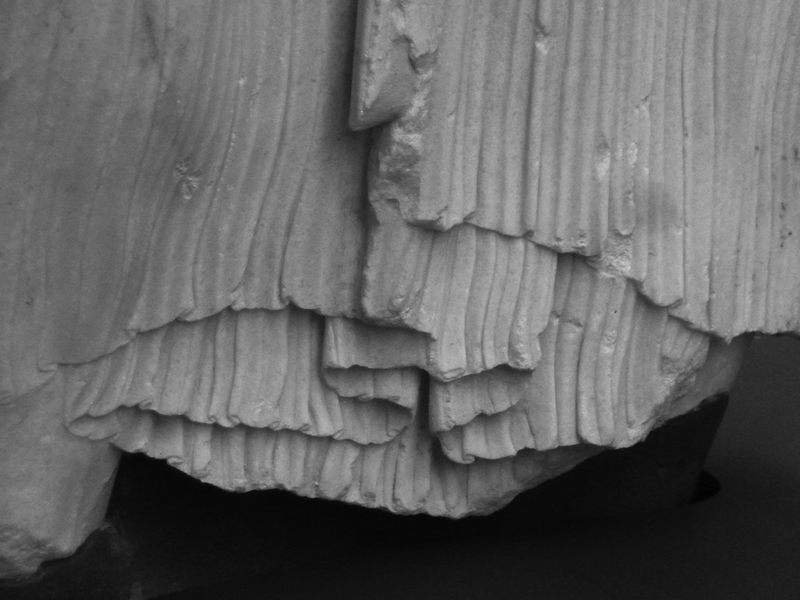
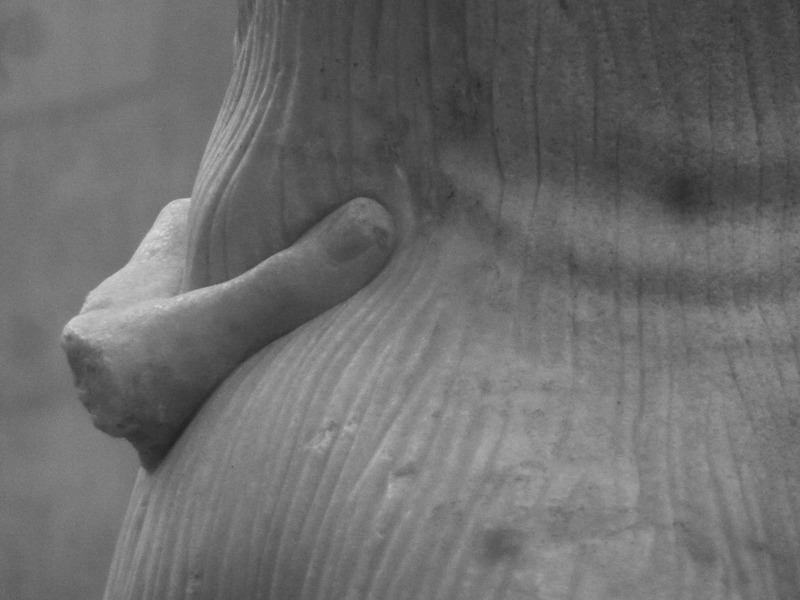
From the outside the new Acropolis museum is as inelegant as most new buildings, its one quirk being a penthouse floor twisted from true as if a Rubik’s cube had had its top layer half-turned. What was left of the Acropolis sculptures after the explosion of 1687 when the Parthenon blew up destroying most of its peristyle and interior, not to mention assorted subsequent lootings, defacings, quarryings and Elgin’s removals, is exhibited on the top floor with gaps left where the frieze and pediment sculptures from other museums, chiefly the BM, would fit in. Having been eroded smooth and rounded by the most poisonous atmosphere of any city in Europe, much of this material is of disappointing impact and quality. Snatches of detail and passages of beauty hint at what might have been, but little in the way of real art appreciation is possible. From looking here at what remains of the Parthenon sculptures you would never suspect them of forming part of an inimitable masterpiece.
A cynic might conclude that the Greeks need the BM sculptures because their own are largely unreadable wrecks. Unpalatable as it may be for the Greeks, an objective conclusion must be that if Elgin had not removed sculptures their survival may have been jeopardised. This cuts no ice in Greece because wherever you travel Elgin is presented as the Great Satan. The poor wee Scot is denounced in tube stations, museums, airports and on street placards, and even at remote archaeological sites across the country. Nowhere is there any acknowledgement that without Elgin’s intervention during a volatile period of foreign occupation, there might be little worth a second look.
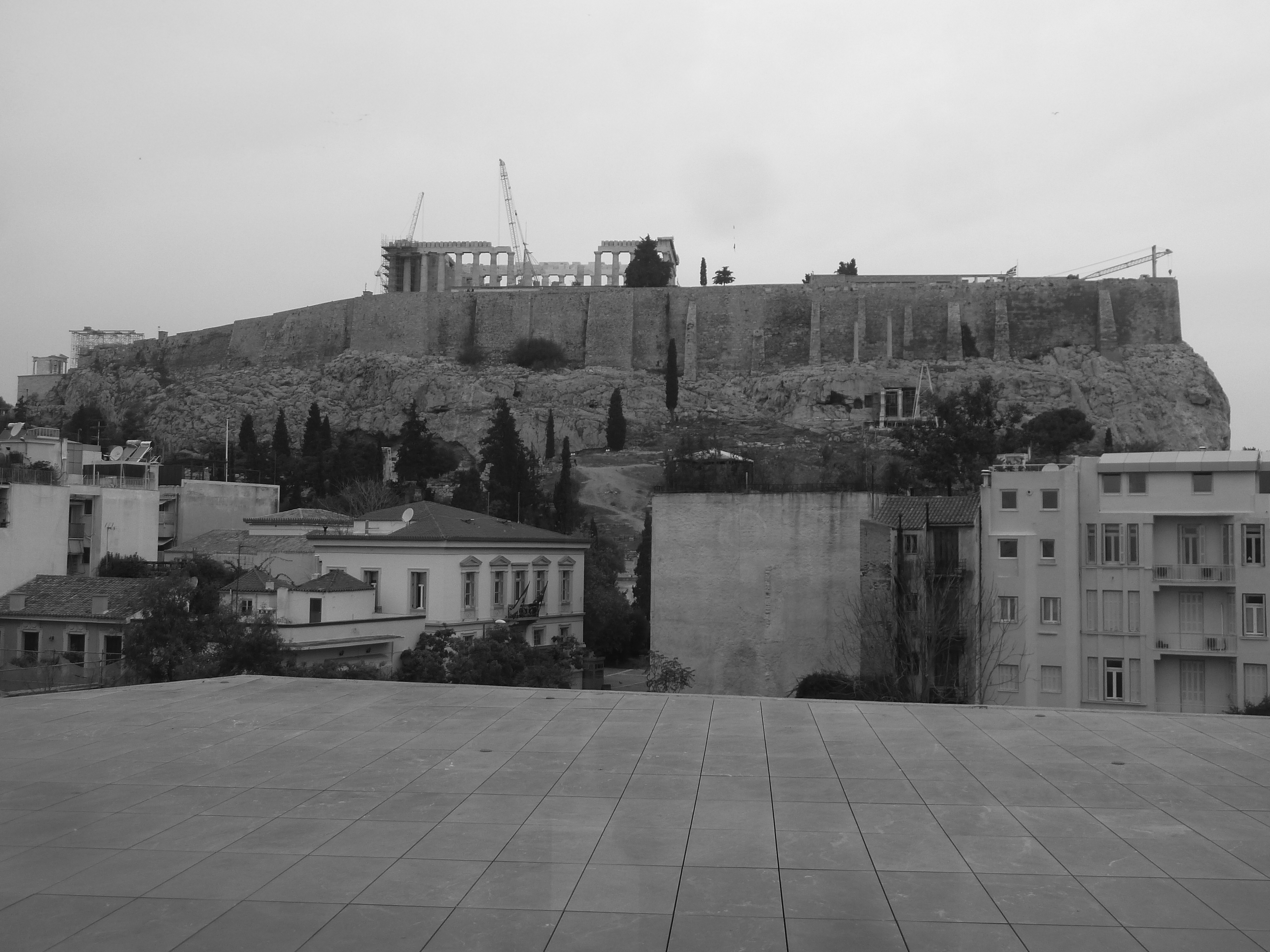
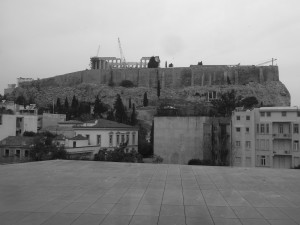
The argument that the nearly complete frieze would be exhibited within sight of its original location has some little merit. From one side of the new museum (see picture above) one can look up to the rear, less photogenic aspect of the Parthenon, though you can’t see where the frieze would originally have been placed because it was obliterated in the explosion and subsequent collapses, earthquakes and demolitions. It was in any case more or less invisibly located high behind the peristyle arcade.
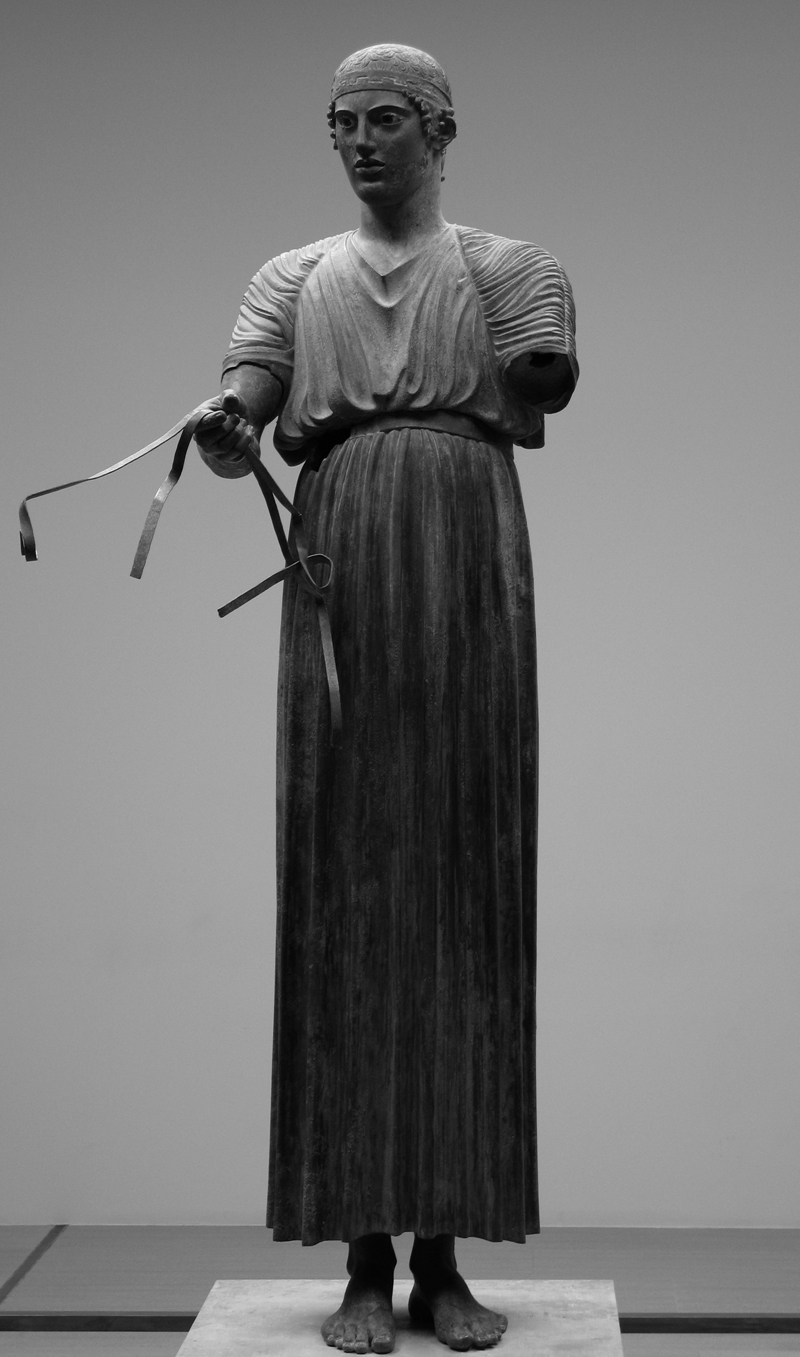
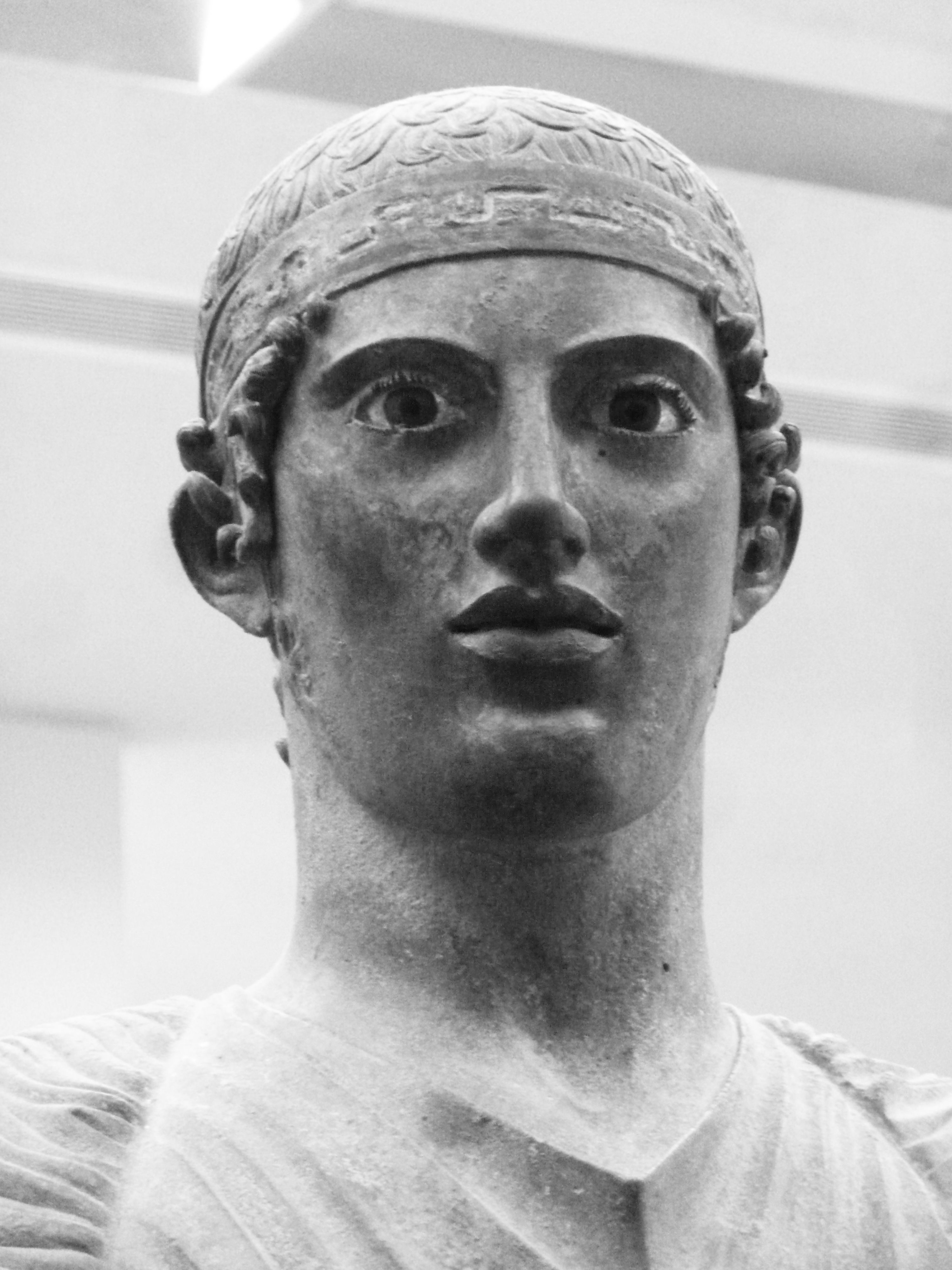
In its other galleries the Acropolis Museum is an unforgettable experience, spacious and with the most fabulous carvings and bronzes sensitively displayed. For devotees of sculpture and the classical world it is unforgettable, joyful even. The calibre of work, the gradual evolving understanding of form and surface pattern, especially in the archaic, pre-Periclean period, is staggering – the scholarly designation ‘primitive’ is laughably inadequate when dealing with such accomplishment. For students of Greek sculpture this museum, as well as the quality of the even more breathtaking collection at the National Archaeological Museum on the other side of the Acropolis (see cover), fills in stylistic gaps not even hinted at in the British Museum’s story of classical sculpture – it is revelatory.
Among the main arguments against restitution adduced by director MacGregor is that the BM’s Greek galleries tell the full story of classical sculpture. Familiarity with museums in Greece gives the lie to this fantasy. The British Museum doesn’t even get close to giving a complete account. To start with it is rare that any visitor to the BM experiences all its classical galleries open at the same time. Even after a lifetime of regular visiting I’ve rarely managed it. The architecture galleries in the basement are open only every Preston Guild, and the Halicarnassos galleries daily closed. Getting to see the marvellous Bassae Frieze in its bespoke attic is more of a lottery than El Gordo. MacGregor’s rhetoric gets a far better press than it deserves.
BM displays give a decent impression from, say, 450BC to 300BC but a visit to Greece soon exposes the threadbare nature of even that proposition. For all the beauty of some of its exhibits, the BM doesn’t present the full subtlety of what happened. Indeed, it will only be able to make such a claim when major loans are vouchsafed from Greece. This is why we should stop the war of bickering and insults and seriously consider a series of temporary swaps of material that would thrill aficionados in both countries.
Presently Greek arguments for complete restitution are too easy to skittle. Not least the one about how important they claim the Parthenon marbles are to them. I first visited the Acropolis in 1971 since when the site has changed indiscernibly. The cranes themselves must be antiques by now. My generation is likely to live its entire lifespan with the Parthenon obscured by scaffolding, sheeting, peremptory signage and heavy lift equipment. The hilltop is a chaos of rubble, building works, ugly police-style cordons and railway lines – small wonder so few of the visitors who trek up linger here for more than a couple of minutes, for this is not a pleasant place to be. The Greeks claim to care passionately about this important symbolic site, yet progress is glacial. So far it’s taken them three times longer to restore a few patches than it took Kallicrates, Iktinos and Pheidias to conceive, build and carve the lot from scratch. But the torpor and apparent indifference evident on the Acropolis is typical of that infecting the country’s other important archaeological sites. Wherever you venture, from Epidavros to Delphi to Knossos, there is little or no building at the one cool time of the year when work ought to be forging ahead. Any urgency to conserve is bewilderingly absent.
One problem to achieving any rapprochement is Greek resistance to negotiation and their attitude in general towards ‘loans’. One can’t blame the BM for a lack of engagement because the Greeks use the same definition of ‘negotiation’ as do the Argentinians when referring to the sovereignty of the Falkland Islands. In both cases ‘negotiation’ means only one possible outcome, total capitulation on our side. No wonder the British Museum is resistant to embarking on such a journey when the Greeks refuse even to acknowledge that it is the sculptures’ legal owner.
Definition of the word ‘loan’ presents a serious problem for the Greeks. It is perhaps impertinent to mention that the Athenians built the Parthenon with money stolen from neighbours and never repaid. Old habits apparently die hard… Can one have any real confidence that a ‘loan’ of Elgin material would be returned?
Despite all of this we should try putting aside childish disputes. The possibilities for exchanges of material between the BM and Athens are tantalising for sculpture lovers. Imagine, a swap of Elgin material for archaic kouroi and kore and bronze statuary of a quality unimaginable to regulars of the British Museum. What a mouthwatering prospect that would be, to see, for example, a large kouros, one of so many in Athens.
The Greeks should change tack. They should magnanimously offer loans to the BM of works of such greatness that those against any form of extended exchanges between the two countries would be disarmed by so generous a spirit and the genius of the work. The main argument Greeks should deploy is this prospect of the mesmerising works they could offer in return.
David Lee
The Jackdaw March-April 2015
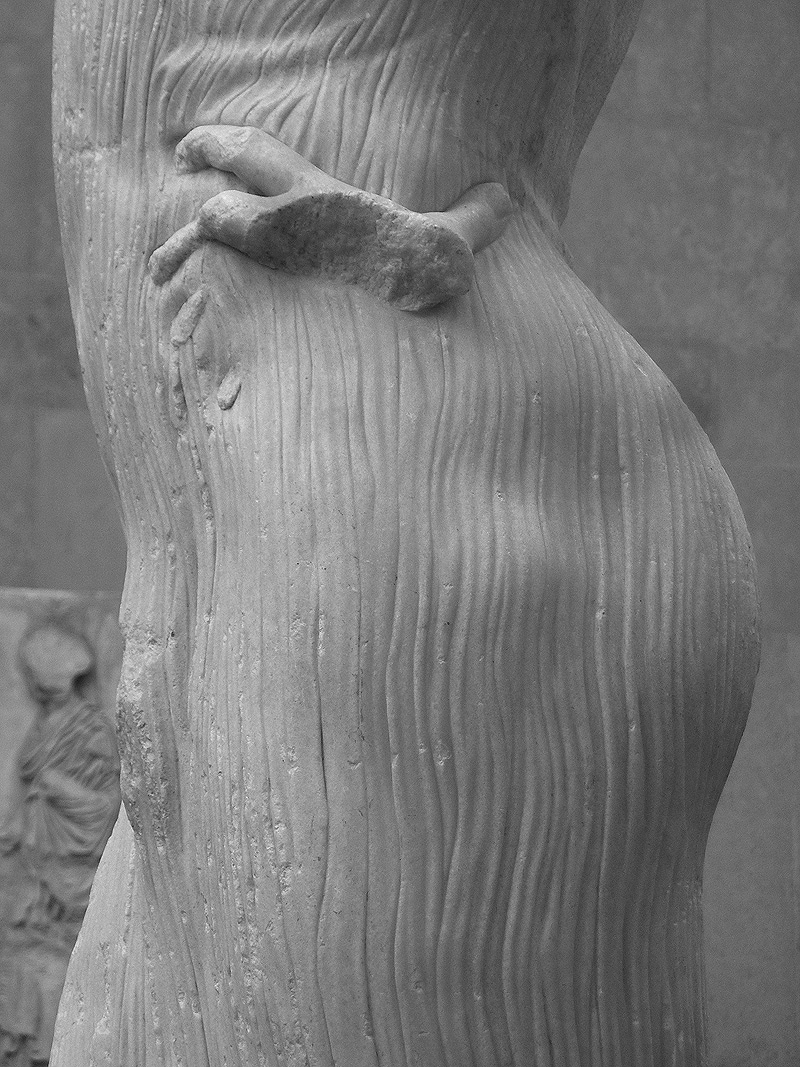
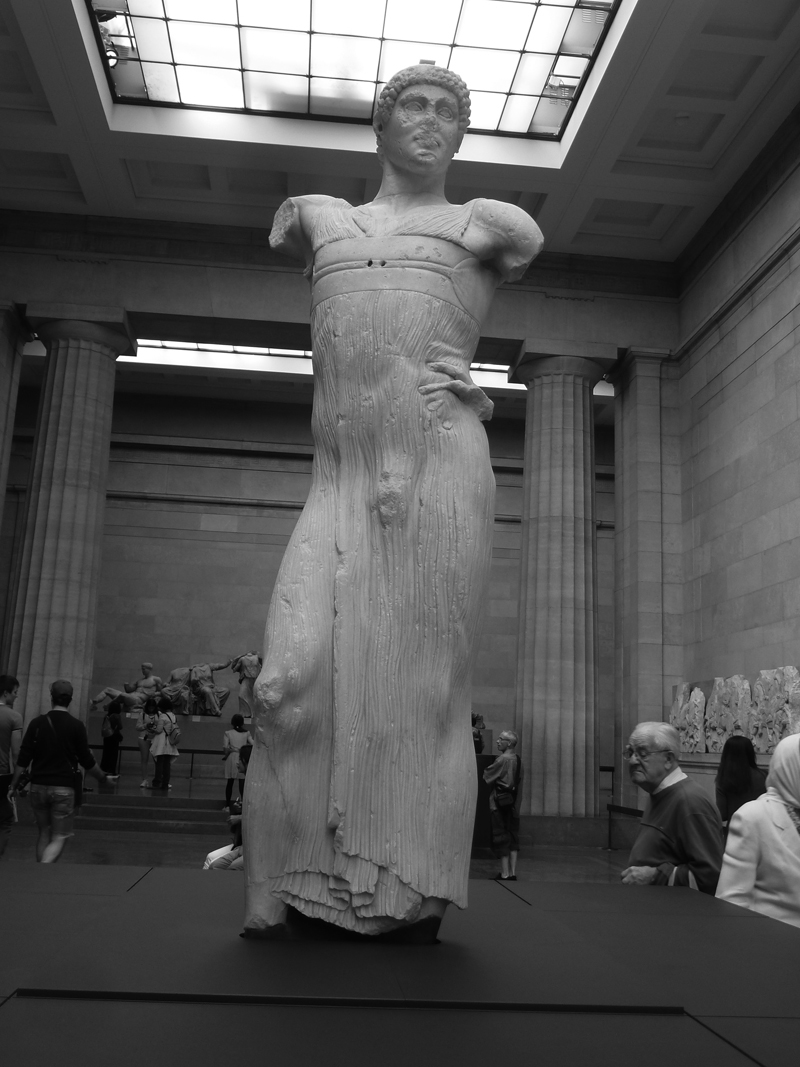
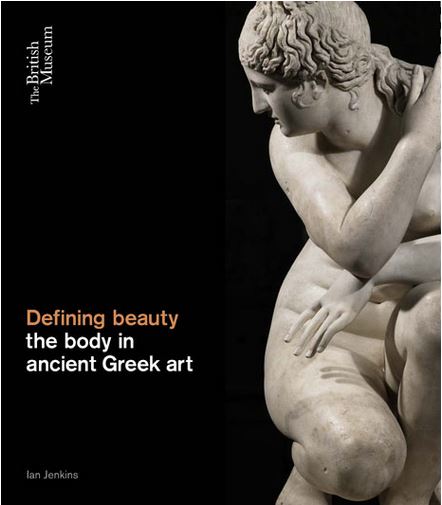 In all the doting coverage of ‘Defining Beauty: The Body in Ancient Greek Art’ at the British Museum, no mention was made of the fact that the bulk of major exhibits featured were from the museum’s own collection. Stupidly, I had believed – and perhaps was even misled by advance publicity – that the exhibition would feature a range of major sculptures I hadn’t seen before. I should have known better. During the months before the display opened, regular visitors would have noticed a weekly disappearance of prize pieces from the Greek and Roman galleries. Indeed, for two months in advance of the show half the Duveen gallery exhibiting Parthenon material was crudely boarded off like a building site. Art critics, many of whom nowadays are at sea dealing with anything made before last weekend, were bowled middle stump by Defining Art. They didn’t know the BM sufficiently well to realise that many works for which they were recommending the public pay handsomely could have been seen free any time in the preceding 262 years and will be free again after July 5th when the spectacle closes. It serves the museum right that attendance for what was doubtless planned as a cash-cow blockbuster hasn’t risen above a trickle. A sad irony is that works are better appreciated in the deserted exhibition than they are normally when enveloped by noisy swarms of disaffected foreigners shuffling along with scarcely a glance at anything deemed unworthy of a selfie. It goes without saying that the more important works illustrated in the accompanying book (which isn’t a catalogue), indeed the crucial ones to the show’s thesis, were not included in the exhibition: they live in Greece, a country with whom regrettably we have no dealings.